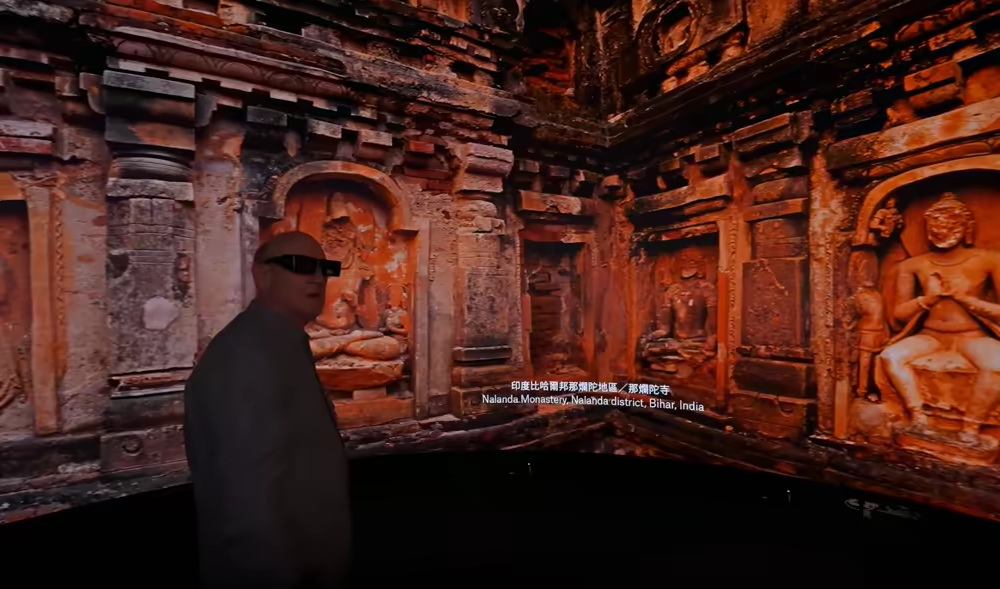
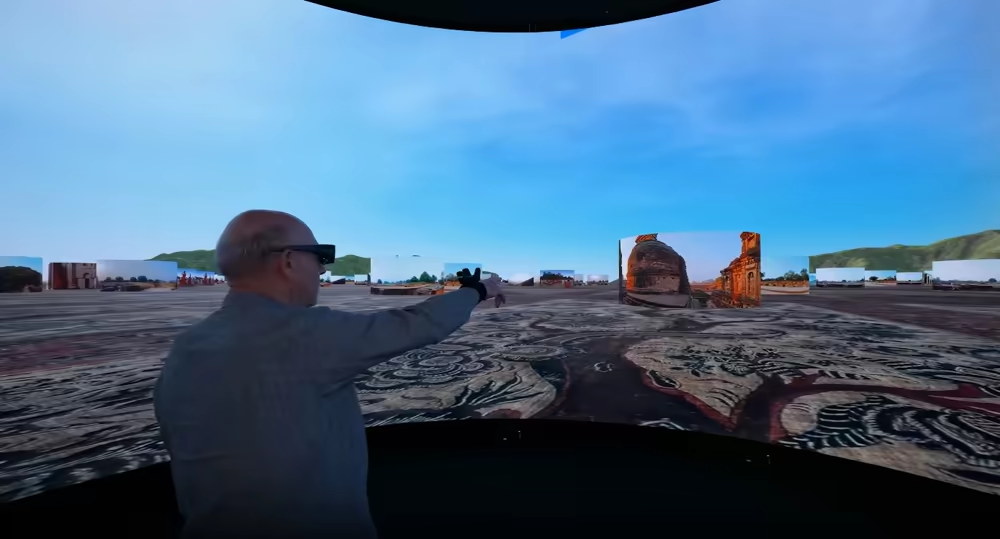
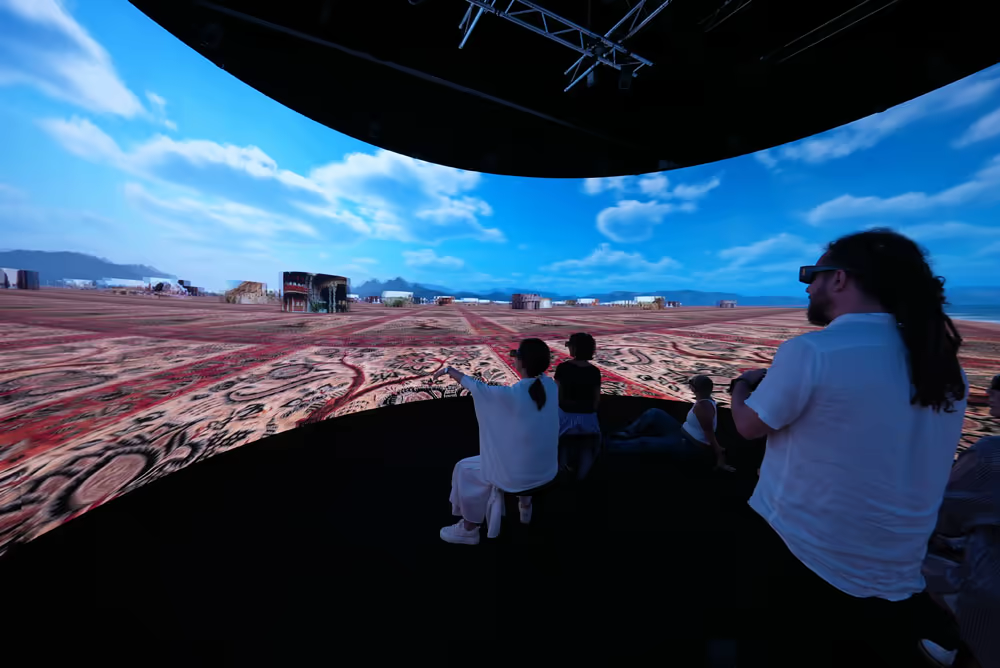
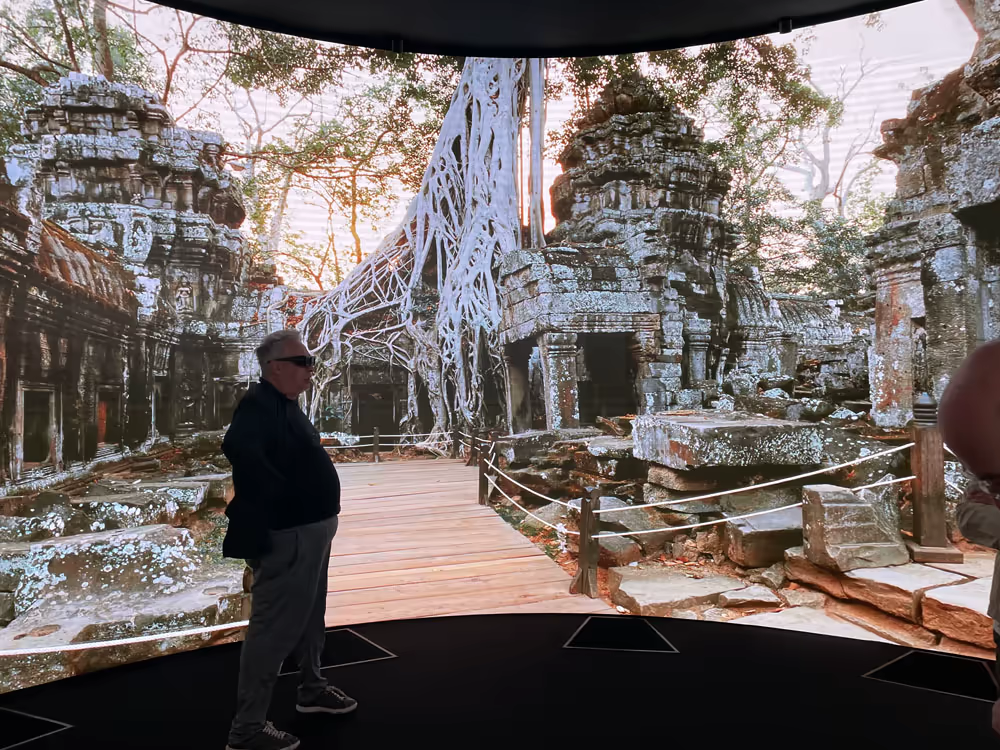
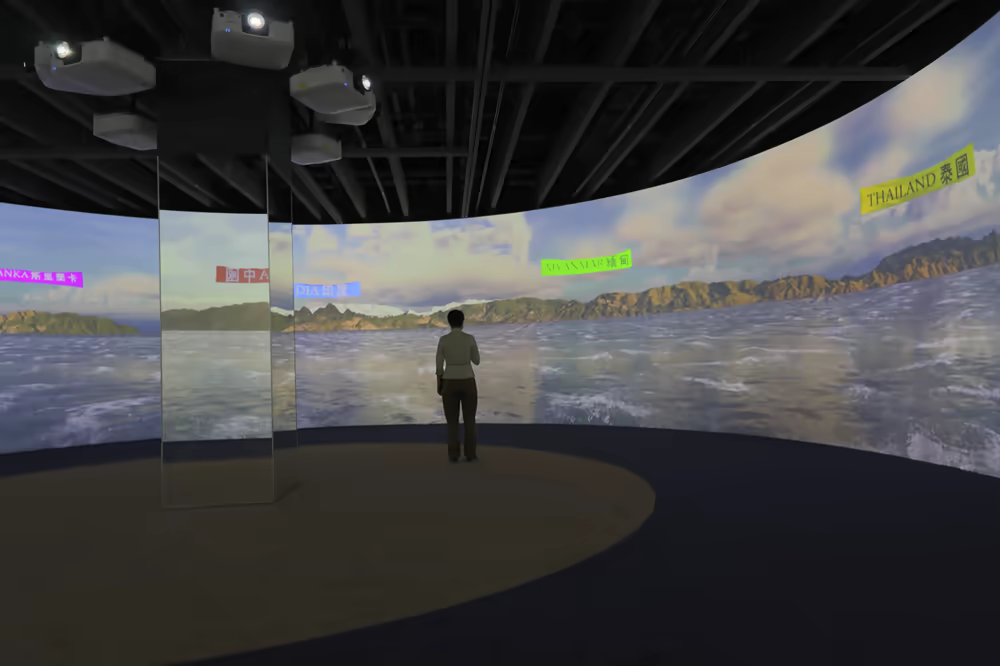
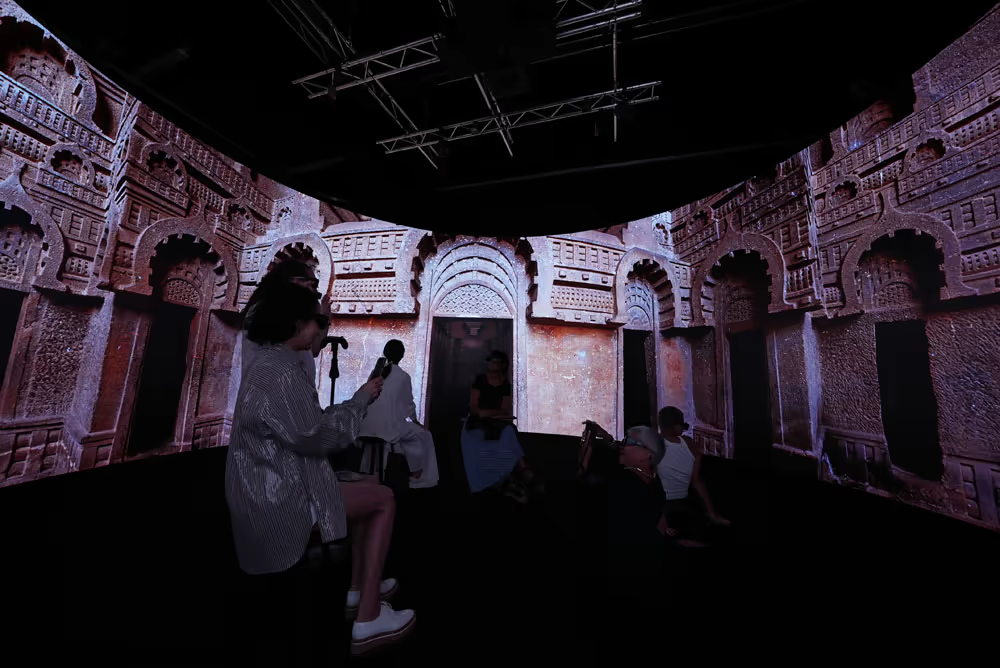
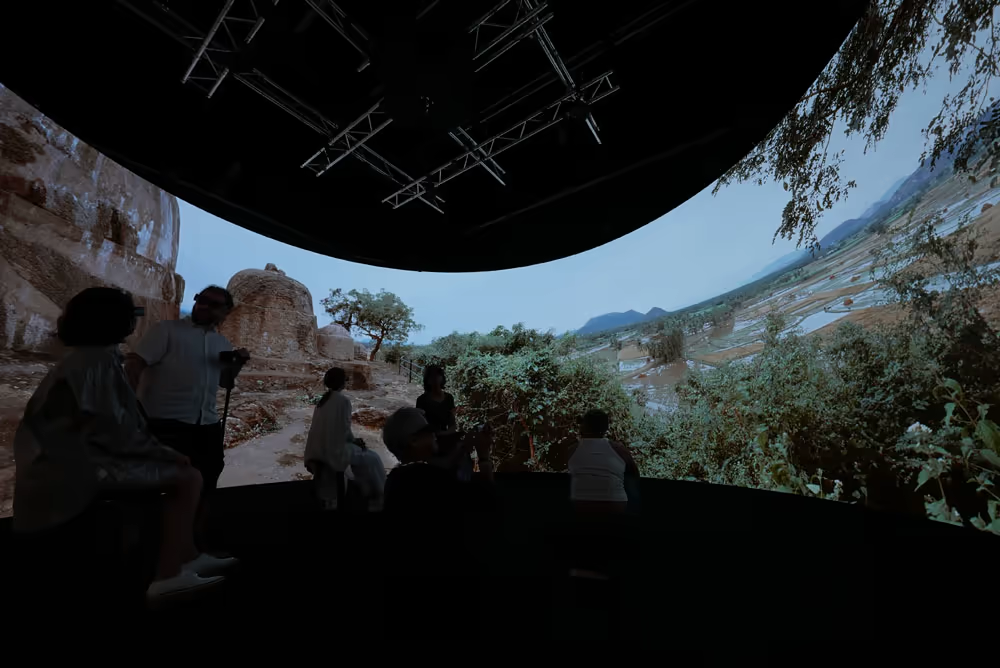
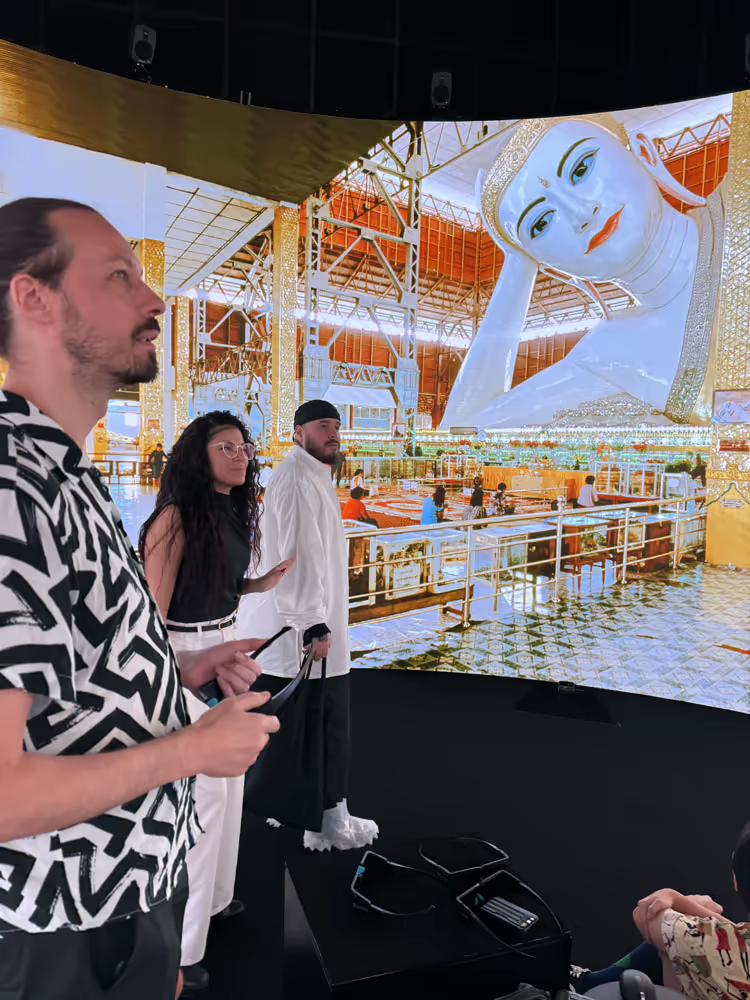
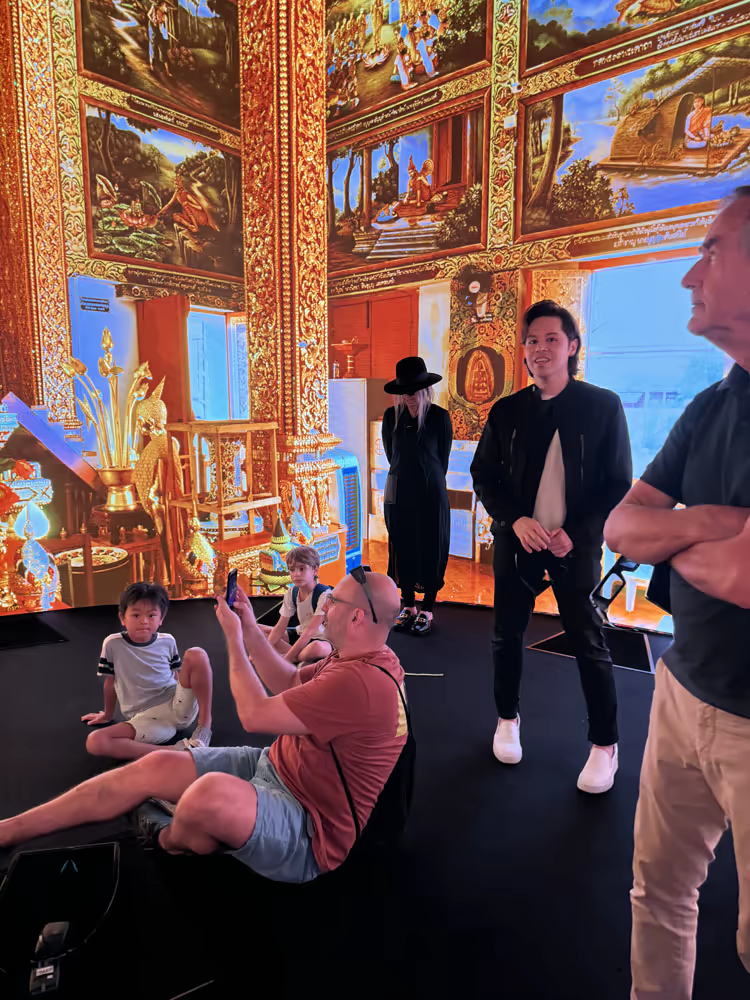
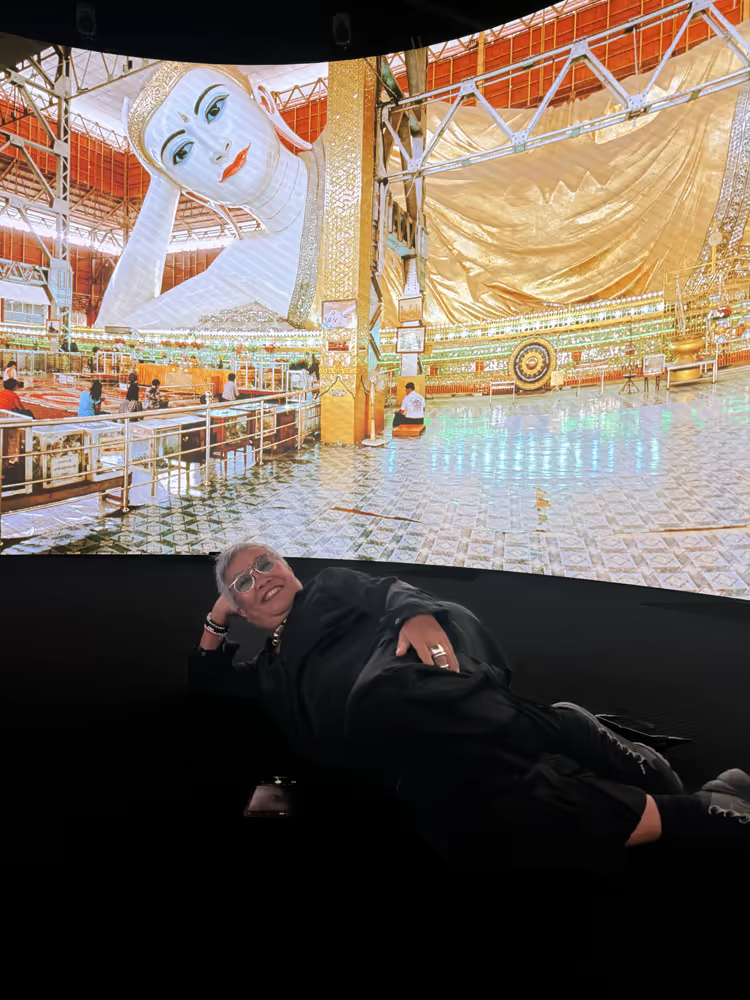
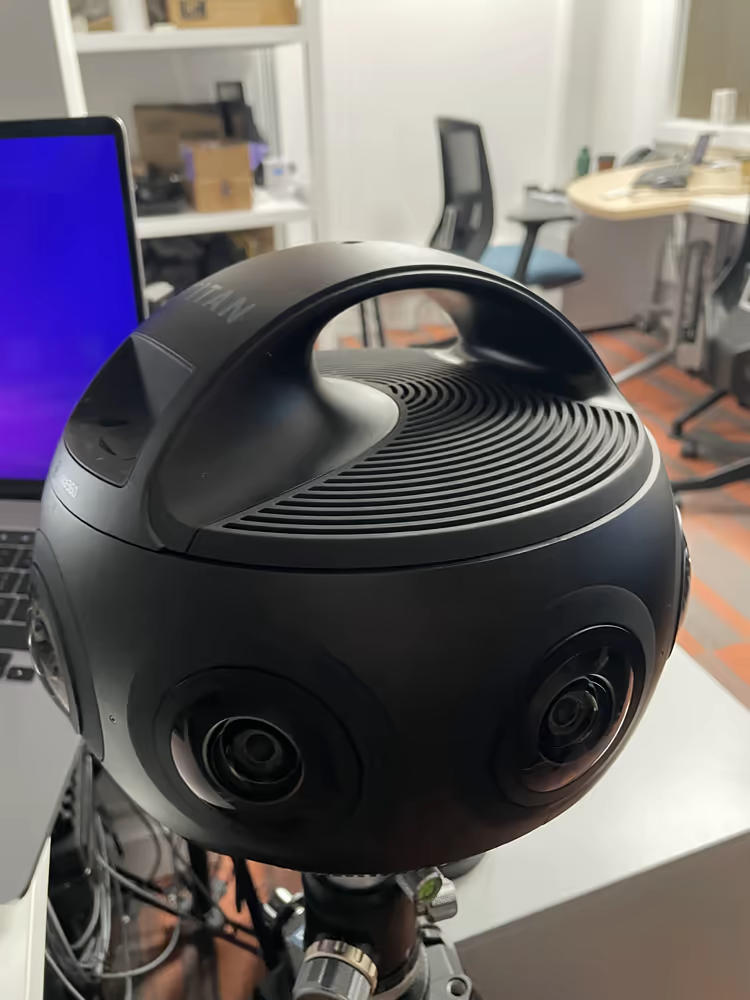
Jeffrey Shaw's The Atlas of Maritime Buddhism is an immersive cultural-heritage project that maps the maritime transmission of Buddhism across Asia through panoramic imagery, spatial media and interactive navigation. Publicly documented by the HKBU Visualization Research Centre, the project brings together stereoscopic panoramas, video, temple architecture, ritual imagery and geographic routes associated with Buddhist sites in India, Sri Lanka, Cambodia, China, Indonesia, Myanmar and Thailand. Alejandro Rodríguez contributed between 2021 and 2025 on the visual application and animation layer: navigation behaviours, visual transitions, panorama presentation logic and immersive 360° content production. This page documents that selected contribution within a larger collaborative and institutional framework.
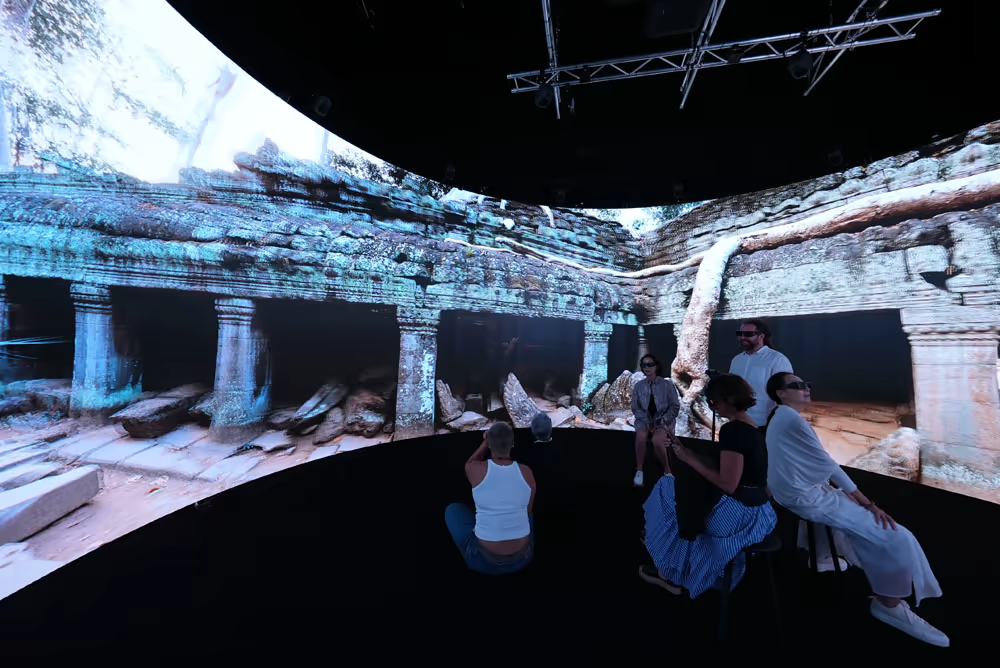
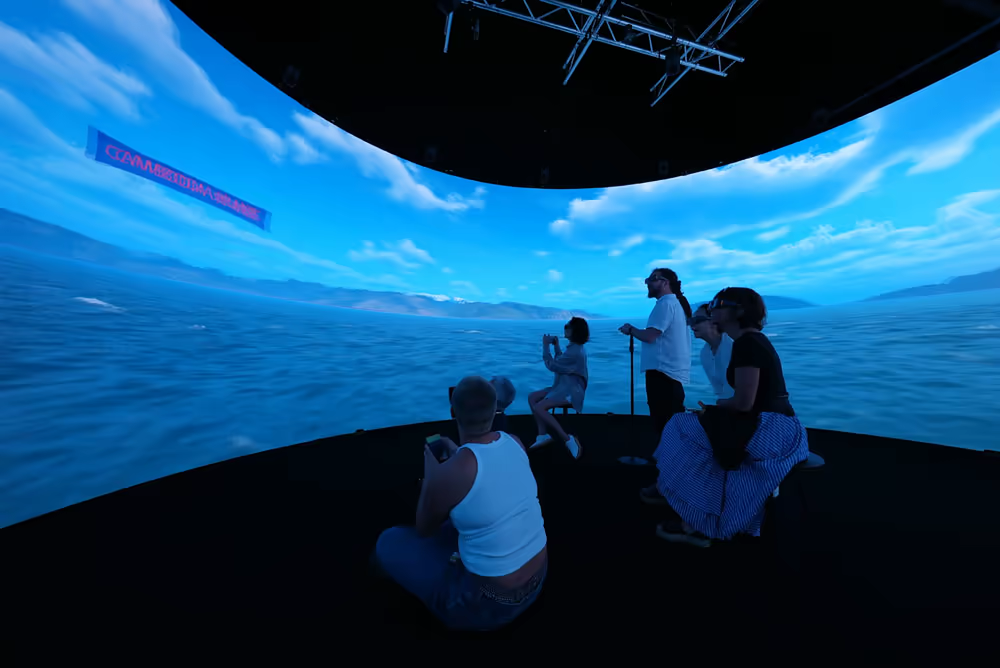
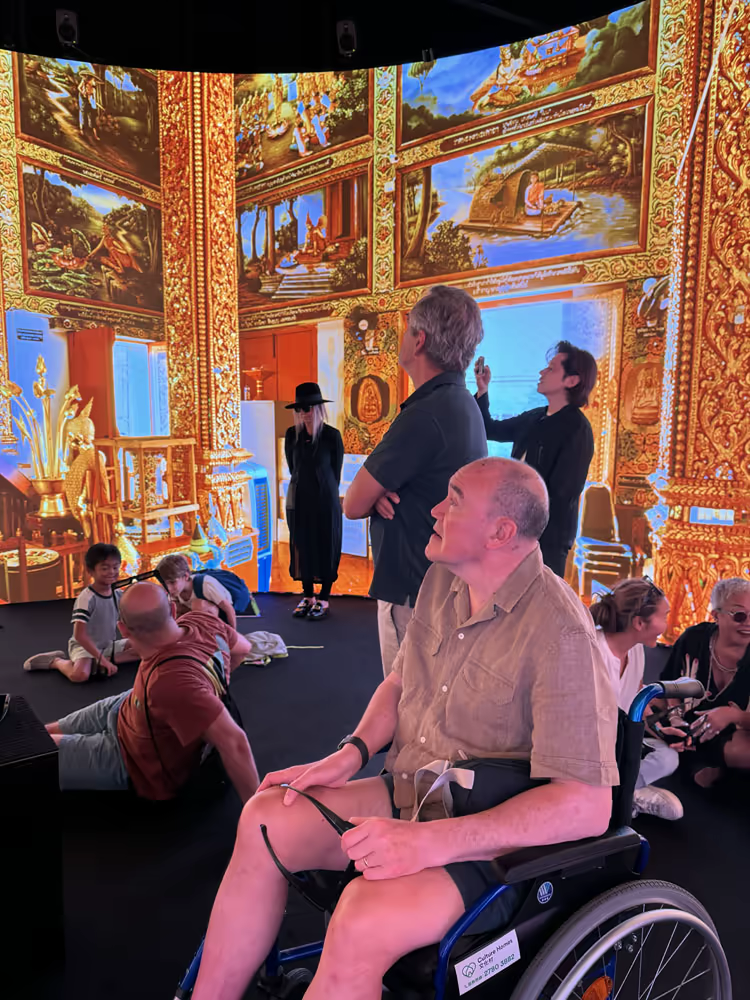
A major public presentation of this research was The Buddhist Maritime Silk Road, developed for the Fo Guang Shan Buddha Museum in Kaohsiung, Taiwan, where the Atlas became part of a new media exhibition on the movement of Buddhist teachings, architecture, ritual and art through maritime routes of trade and pilgrimage. The importance of this work lies in the encounter between archive and atmosphere. The project uses advanced visualization systems not only to display information, but to create a field of attention around cultural memory. The viewer is surrounded by routes, temples, images, ceremonies and fragments of sacred architecture; history appears less as a linear timeline than as a navigable space of correspondences.